Family Homes in Germany: Creating Comfortable Spaces for Modern Family Life

A home is more than a place to sleep. It is where families create memories, share daily moments, and build a sense of belonging. As lifestyles continue to change, many families are looking for homes that offer comfort, flexibility, and a better balance between personal and shared spaces. Family homes in Germany are increasingly being designed around real-life needs, with layouts and features that support everything from family gatherings to quiet moments of relaxation. Modern homeowners are not only thinking about size or appearance. They are considering how a home feels, how it supports everyday routines, and how it can adapt as their families grow. From practical designs to welcoming interiors, today’s homes are becoming more personal and family-focused.
Exploring Modern Housing Ideas Through Abendzeitung Nürnberg
The conversation around family-friendly living spaces continues to grow, as Abendzeitung Nürnberg shares insights into changing housing preferences and lifestyle trends. Families today are paying closer attention to how their homes influence comfort, convenience, and quality of life. A well-designed family home combines practical features with a warm atmosphere that makes every room feel useful and inviting. Modern family homes are moving away from rigid layouts and embracing designs that allow rooms to serve multiple purposes. A dining area can become a workspace, a guest room can transform into a study area, and outdoor spaces can become extensions of the living environment. This flexibility helps families make the most of their homes.
Creating Flexible Spaces for Everyday Family Needs
One of the biggest priorities for modern families is flexibility. Homes need to support different activities happening at the same time, from children studying to parents working remotely. Open layouts, adaptable furniture, and multifunctional rooms allow families to create spaces that work for their unique routines. Family homes in Germany are increasingly focused on designs that can change over time. A home that works for a young family should also be able to support new stages of life. Flexible spaces make it easier for homeowners to adjust without needing major changes in the future.
Integrating Comfort
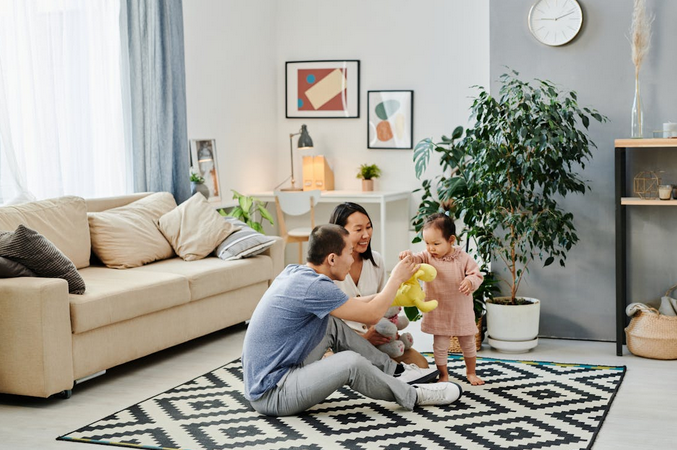
Comfort plays a major role in creating a home that families enjoy spending time in. Natural lighting, comfortable furniture, calming colors, and thoughtful room arrangements can make everyday living more enjoyable. Interior design is no longer only about decoration. It is about creating an environment that supports wellbeing. Many families are choosing designs that bring warmth and personality into their homes. Elements such as natural materials, cozy living areas, and organized storage solutions help create spaces that feel peaceful while still being practical for busy households.
Installing Smart Features for Easier Family Life
Technology is also changing how families interact with their homes. Smart lighting, efficient heating systems, security features, and connected devices can make daily tasks easier and more convenient. These solutions allow homeowners to create spaces that respond to their needs. The goal of smart home technology is not to make homes complicated. Instead, it focuses on improving comfort and saving time. Families can enjoy greater control over their living environment while creating a home that feels modern and efficient.
Bringing Nature Into Family Living Spaces
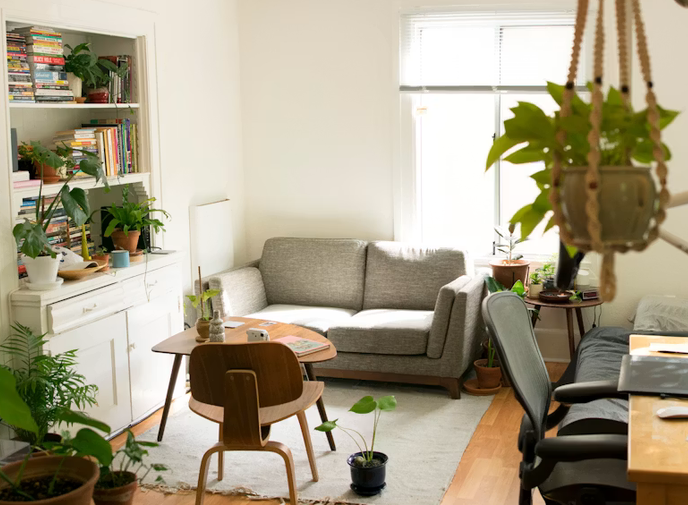
A strong connection with nature is becoming an important part of modern home design. Large windows, gardens, balconies, and green areas allow families to enjoy more outdoor experiences while maintaining the comfort of indoor living. Family homes in Germany are increasingly incorporating features that encourage healthier lifestyles through better access to fresh air and natural surroundings. Outdoor areas provide children with space to play and give families opportunities to relax together away from daily responsibilities.
Designing Homes That Support Future Generations
A family home is often a long-term investment that should continue to meet changing needs. Many homeowners are considering designs that provide lasting value through durable materials, adaptable layouts, and sustainable choices. Thinking about the future helps families create homes that remain comfortable for years. Whether accommodating children, changing work …

 The centerpiece of any backyard spa is often a hot tub or spa. These features provide warmth, hydrotherapy, and a space to unwind after a busy day. Positioning the tub in a quiet corner or near natural elements like plants or stone paths enhances the relaxing atmosphere. Surrounding it with decking or smooth stone flooring ensures both aesthetics and safety, giving the area a polished, inviting look. Selecting a model with jets or seating options tailored to comfort increases the therapeutic benefit, allowing you to enjoy targeted massage and gentle hydrotherapy. Water elements don’t have to stop at a hot tub. Small fountains, waterfalls, or koi ponds add ambient sounds that heighten relaxation. The sound of running water encourages mindfulness and makes the backyard feel more immersive, masking external noise while creating a serene environment. Layering different water features adds dimension and contributes to a true spa-like experience in the comfort of your own home.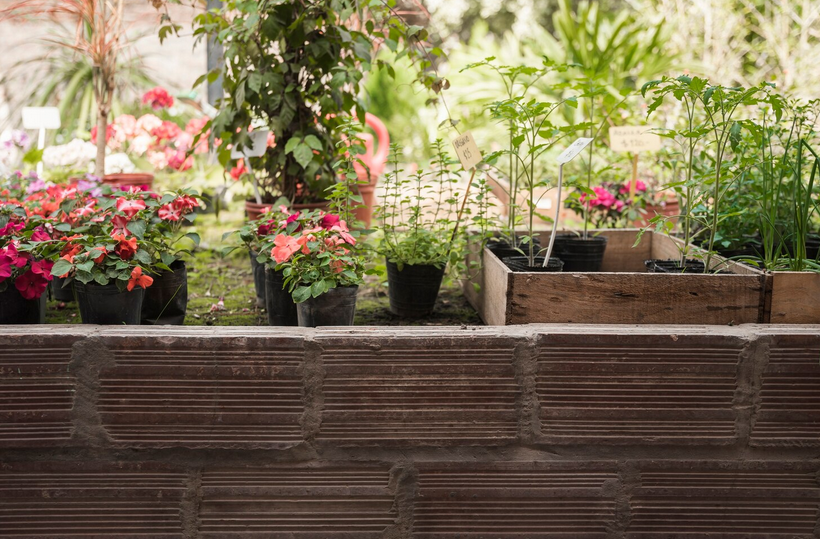

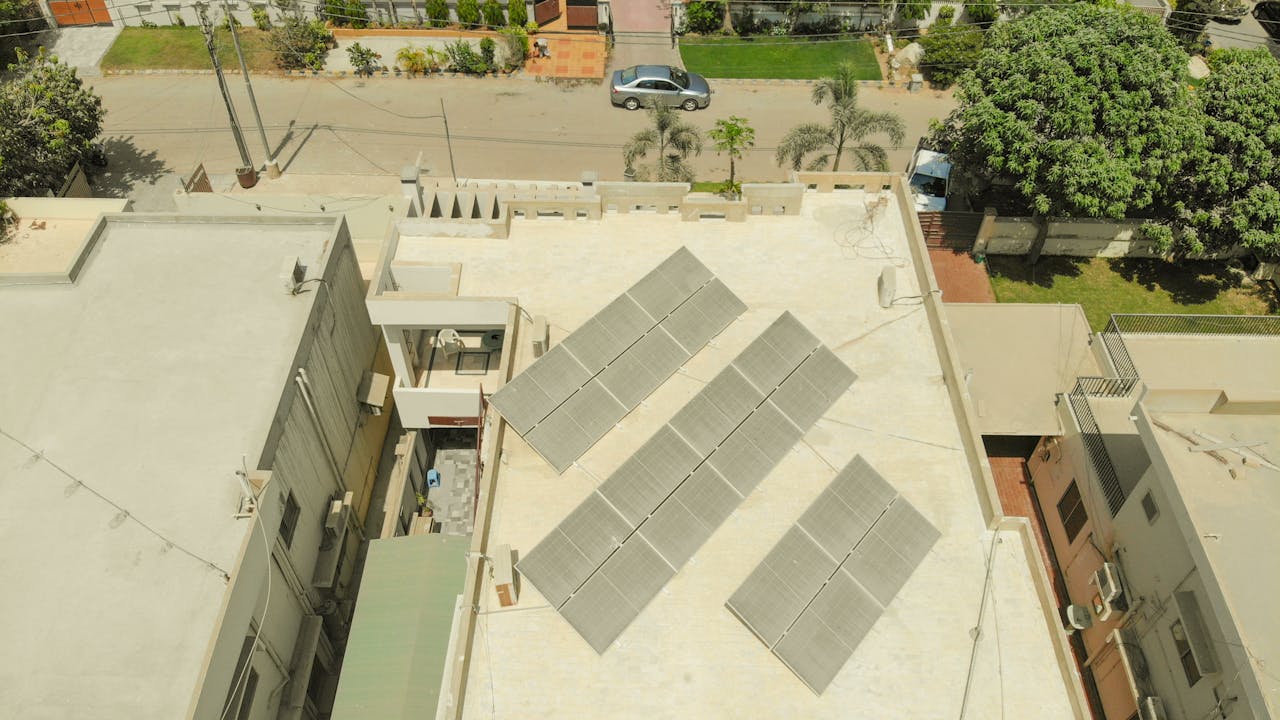 Urban living often comes with concerns about environmental impact, and prefab homes are helping address those worries. These homes typically produce less construction waste because materials are carefully measured and reused during factory production. Many designs also incorporate energy-efficient systems like solar panels, insulated walls, and water-saving fixtures. For city dwellers conscious about sustainability, this blend of eco-friendly construction and modern design is highly attractive. Over time, it not only reduces carbon footprints but also lowers utility costs, making prefab housing both green and practical.
 Cities are hubs of innovation and fast-paced living, and prefab homes reflect that adaptability. One can customize designs to fit small urban lots, stacked for multi-family living, or expanded as needs grow. Open layouts, integrated smart technology, and creative use of space make them perfectly suited for modern lifestyles. Unlike the cookie-cutter image many people once had, today’s prefab homes are versatile, chic, and ready to meet the needs of city living in 2025 and beyond.
 The first and most important provider to consider is a licensed wildlife control service. These professionals specialize in the humane removal and deterrence of animals, including geese. They are trained to assess nesting behavior, follow local regulations, and use non-lethal methods to relocate or discourage geese from your property. Many wildlife control companies offer customized plans that include habitat modification, deterrent installation, and ongoing maintenance to keep geese from returning. Because geese are protected under laws in many regions, professional handling ensures that all actions are legal and humane.
 Lastly, you should consider outdoor structure contractor. If geese are entering your yard from nearby ponds or open fields, physical barriers can be an effective solution. A professional can install low-profile fencing, decorative hedges, or wire grids over water features to restrict access. While these solutions won’t trap or harm the birds, they create just enough inconvenience to encourage geese to move on to a more accessible area. A fencing specialist ensures the barriers are secure, weather-resistant, and designed to match your property’s aesthetic.

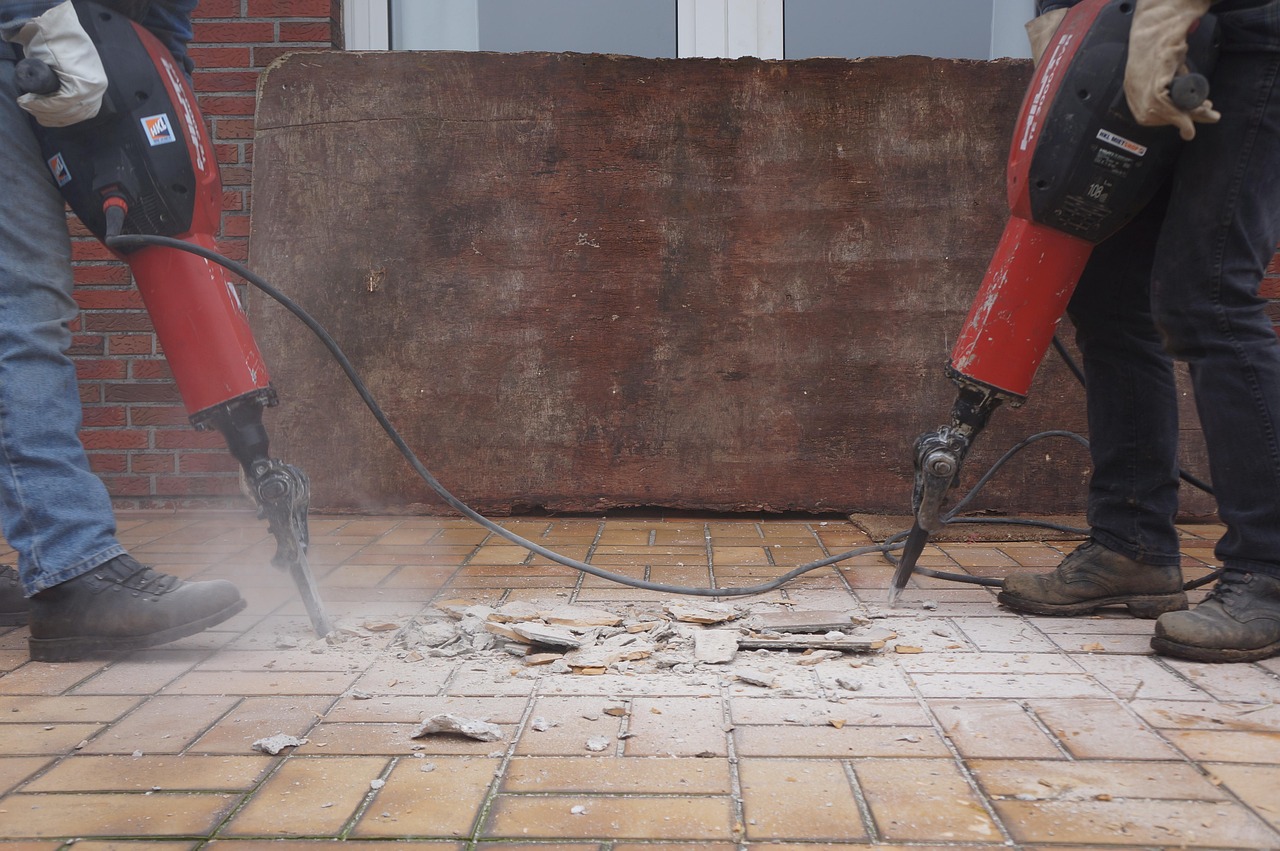
 Before any demolition takes place, thorough planning and assessment are essential. Contractors begin with a comprehensive evaluation of the site. They identify potential hazards, assess structural integrity, and consider the surrounding environment. This initial phase often includes inspections for hazardous materials like asbestos or lead. By addressing these concerns upfront, contractors can implement necessary safety protocols to protect workers and neighbors alike. Next, they analyze the building’s layout and its impact on nearby homes or businesses.
 Proper disposal and recycling of materials is a crucial step for demolition contractors. They prioritize minimizing waste to protect the environment. Contractors sort through debris meticulously. This process ensures that recyclable materials, such as metals, concrete, and wood, are separated from non-recyclables. By doing this, they significantly reduce landfill contributions. Many companies partner with local recycling centers to streamline this process.


 Begin decluttering well before your moving date by going room by room and sorting items into categories like keep, donate, sell, and discard. Reducing the number of things you need to pack and transport saves on moving costs and makes unpacking more manageable in your new space. Donating or selling unused items can be personally rewarding and environmentally friendly.
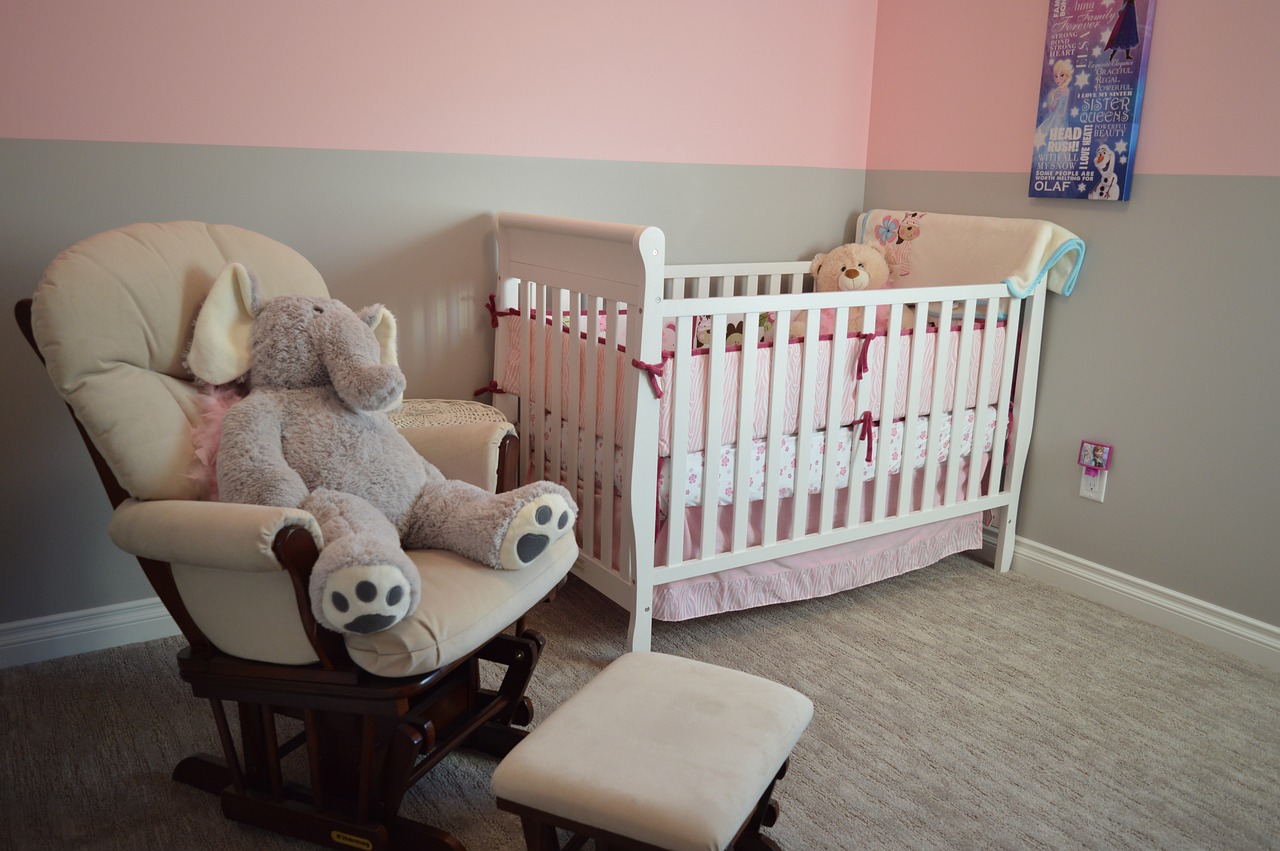
 Personalized wall art adds a special touch to your baby boy’s nursery. Imagine his name beautifully illustrated on the wall, surrounded by playful animals or stars. This isn’t just decor; it’s a statement of love and individuality. You can also incorporate meaningful quotes that inspire dreams and adventures. Choose colors that complement the room’s palette for an inviting atmosphere.
 Clever storage can turn chaos into calm when it comes to a baby boy’s nursery. Think beyond the traditional chest of drawers. Floating shelves are both functional and stylish. They keep toys and books within reach while adding visual interest to the walls. Consider using baskets in various textures and colors. These can be tucked away under cribs or placed on open shelving for easy access.


 Rising construction costs in 2024 present significant challenges and opportunities for home builders navigating the competitive landscape. By understanding the factors driving cost increases, implementing proactive strategies to mitigate financial pressures, and staying agile in response to market dynamics, builders can enhance resilience, maintain profitability, and deliver quality homes that meet the evolving needs of clients and communities.




 When it comes to conquering challenging terrains, elevated modular homes take the cake. These architectural marvels are designed to rise above obstacles and provide a stunning living space that defies gravity. What makes elevated modular homes is their ability to adapt to uneven or sloping landscapes. By utilizing adjustable support systems and sturdy foundations, these homes can be constructed on even the most precarious terrain without compromising stability.
 Prefab homes on stilts offer an innovative solution that not only embraces the coastal aesthetic but also ensures durability and safety. Elevating your home on stilts has several advantages. By lifting your home off the ground, you minimize damage caused by water intrusion and safeguard your investment.
 Flashing basically are those metal strips or sheets that are installed at vulnerable points such as around chimneys, vents, and skylights. Its purpose is to create a watertight seal and prevent moisture from seeping into your home. Over time, however, flashing can deteriorate due to exposure to harsh weather conditions and temperature changes. Signs of flashing deterioration may include rusting, cracking, or even completely missing sections. These issues can compromise the integrity of your roof and lead to leaks if left unaddressed. Regularly checking your flashing for any signs of wear and tear is crucial in spotting potential problems early on.
 When debris such as leaves, twigs, and dirt accumulate in your gutters, it can prevent proper drainage of rainwater from your roof. This trapped water can then seep under your shingles and into your home, causing leaks and water damage. Not only can gutter blockages lead to water damage, but they can also create the perfect breeding ground for pests such as mosquitoes and rodents.
 We also can’t ignore how important these tiny granules are, which always protect the


 Efficient space planning plays a crucial role in the success of any home design project. When you hire an architect, they bring their expertise to ensure that every inch of your space is utilized effectively and efficiently. One of the key benefits of hiring an architect for efficient space planning is their ability to think outside the box. They have a knack for coming up with creative solutions to make the most out of even the smallest spaces. Whether it’s clever storage solutions or innovative room layouts, architects can help maximize functionality without compromising on aesthetics. Another advantage of working with an architect is their understanding of how different spaces flow together. They take into consideration factors such as traffic patterns, natural light, and ventilation when designing your home layout.


 When investing in your home, you want to make choices that will benefit you both now and in the long run. One such choice is getting a new roof installed. Not only does a new roof enhance your home’s curb appeal and increase its structural integrity, but it also offers another advantage: longer lifespan and reduced maintenance. A new roof can provide you with peace of mind knowing that it will last many years.




 The next feature to consider is the camera’s field of view. It is essential because you’ll want to ensure that the camera can capture everything you want. The viewing range is usually listed in degrees, with a larger number indicating a wider field of view.
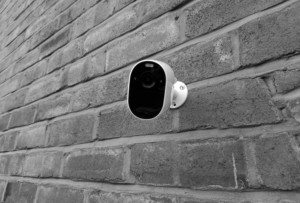 Other than night vision, one final feature we want to touch on is motion detection. It allows the camera to start recording only when it detects movement.
 One of the best ways to get rid of garden pests is to have healthy and fertile soil. Healthy soil will help your plants grow strong and resist pests and diseases. You can do a few things to create healthy soil for your garden. First, add organic matter to your soil, such as compost or manure. It will help improve the quality of your soil. Second, use mulch to protect your plants’ roots and moisten the soil. It will also help prevent weeds from growing. Third, water your plants regularly and deeply.
 However, if you feel you want to go on a budget, why don’t you try using your kitchen ingredients as a remedy? You can make a homemade insecticidal soap using dishwashing liquid and water. Just mix them and put them in a spray bottle. You can also use garlic or chili peppers to make a pest-repellent spray. Simply blend these ingredients and add water. Put the mixture in a spray bottle and use it on your plants.
 As we discussed, one way to help reduce water contamination is to install water-efficient appliances. These appliances use less water and introduce fewer pollutants into the water supply. Water-efficient appliances include low-flow toilets, showerheads, and faucets, and you can purchase these items at your local hardware store or online. Installing water-efficient appliances is a great way to help reduce water contamination. It will help protect your water supply, but it will also help to conserve our limited water resources.
 First, let’s talk about blinds. Blinds are one of the most popular window treatments because they offer a variety of benefits. For starters, they can help you control the amount of light that enters your home. If you live in an area with a lot of sunlight, then you know how important it is to have some way to block out the light. Otherwise, your home will become too hot, and you’ll have difficulty cooling it down.
 Now let’s talk about shutters. Shutters are a bit different from blinds because they don’t just cover your windows; they also protect your doors. Shutters can be made from various materials, but the most popular type is made from wood. Wood shutters offer a classic look that can complement any style of home.